People use these two words like they’re the same thing. On paper, they often are. One quote might say “trimming” for the same work another crew calls “pruning.”
Still, the jobs aren’t the same. Trimming is about getting overgrowth out of the way. The branch on the roof, the hedge gone wild. Pruning takes longer, mostly because of the looking. You stand under the tree and work out which branches have to go and why.
The dead one, sure. Maybe that skinny limb hanging on by a thread, or the pair rubbing bark off each other. Then every cut gets made where the tree can seal it over. Trimming deals with where a tree is right now. Pruning is about the tree you’ll have in five years.
Trimming vs pruning at a glance
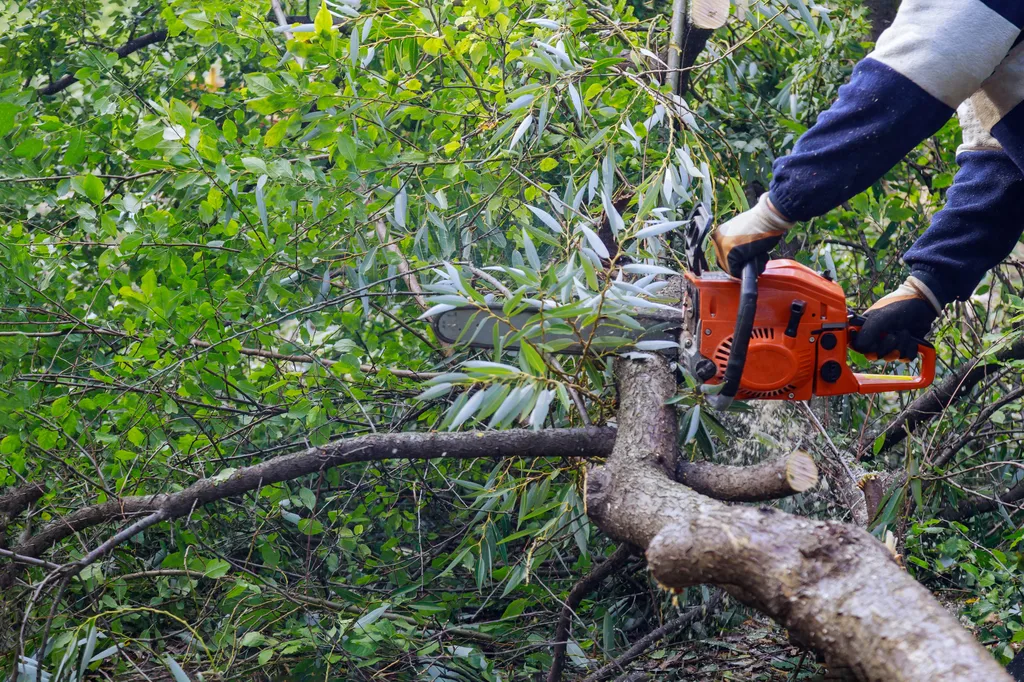
Tree Trimming or Tree Pruning?
| Trimming | Pruning | |
| Main goal | Shape, size, clearance | Health, structure, safety |
| How cuts are chosen | Evenly across the outside | Branch by branch, each with a reason |
| Typical plants | Hedges, shrubs, overgrown edges | Shade trees, young and mature trees |
| Common tools | Hedge shears, trimmers | Hand saws, pole saws, pruners |
| Risk if done wrong | Thin interior, lost flowers | Decay, weak regrowth, a stressed tree |
What does tree trimming actually mean?
It’s mostly edge work. That scratching noise on the gutter whenever it’s windy? Probably a branch. The limb you keep ducking under when you walk to the car, that’s a trim job too. Same for a front hedge that’s slowly taking over the sidewalk.
With hedges, trimming means shearing. You run the clippers over the tips and get that neat, even outline. Hedges handle this pretty well, according to the University of Delaware Extension. Their one tip: leave the bottom a little wider than the top. Otherwise, the lower branches end up in shade and thin out.
Don’t do it to everything, though. Shear a flowering shrub and you’ll cut off most of next season’s blooms, Rutgers Cooperative Extension warns. You also get a thick outer shell of leaves with a bare, shaded middle, and the plant loses its natural shape. A boxwood hedge won’t mind. A lilac will.
What is tree pruning?
Pruning is targeted. Every branch that comes off has a job behind it. The International Society of Arboriculture (ISA) puts it plainly: no branch should be removed without a reason.
The ISA sorts pruning on mature trees into four kinds, and you’ve probably needed at least one of them.
Cleaning is the cleanup job. Dead wood, diseased wood, the branch that cracked last winter and never fell. It all comes out.
Raising is for the tree that’s gotten in your way down low. Take off the bottom limbs and suddenly you can park under it, mow under it, see the street again.
Reduction is how a too-big tree gets smaller without looking butchered. Each cut stops at a side branch thick enough to take over as the new top.
Then thinning, which the ISA now calls foliage density reduction. A few outer branches come out so wind and light can pass through the canopy.
Where the cut lands matters as much as which branch goes. The ISA says cuts should be made just outside the branch collar, that slightly swollen ring where a limb meets the trunk, and not flush against the trunk. Flush cuts can kill the surrounding tissue. Heavy limbs get taken down in three cuts so the bark doesn’t tear on the way down.
When does trimming help?
When the tree’s healthy and just in the way.
Maybe a branch is resting on the roof, or leaning on the chimney. One drags across the mower every Saturday. Another hangs over the neighbor’s fence and they’ve mentioned it twice. Or the hedge just doesn’t look like a hedge anymore. None of that is a health problem. It’s a space problem, and trimming handles it. In our FAQ, we list “overgrown, touching the house, the roof, or chimney” as the signs that tell you it’s time.
When does pruning help?
Pruning is the answer when the issue is inside the tree. Dead or broken limbs left over from a storm. Two branches rubbing each other raw. A canopy so dense the lawn underneath won’t grow. Or a big tree that’s gotten too tall for its spot, where a reduction cut does the job without wrecking its shape.
For timing, our Tree Pruning Schedule: When NJ Trees Need Seasonal Trimming goes through it season by season.
How much can you safely cut?
Probably not as much as you’d guess. The ISA’s guidance is to remove no more than about a quarter of a tree’s crown in a single season, and less than that on mature trees. Leaves are how the tree feeds itself. Strip too many and you’re starving it.
Topping is the one to avoid entirely. That’s when a crew lops the top off a tree, leaving big stubs. The ISA steers people toward reduction pruning instead because it keeps the tree’s form. We don’t top trees because it can weaken them.
And skip the wound paint. The ISA notes that research shows dressings don’t reduce decay or speed up how fast a cut closes.
When is the best time to trim or prune?
For most trees, late winter while they’re dormant. The ISA says growth and wound closure are best when the work happens before new growth starts in spring, and that heavy cutting on live wood right after the leaves come out should be avoided. Our own FAQ says December is best, and that most trees do well with pruning about once a year.
Dead or hanging limbs are different. Those can come down any time of year. Don’t wait on a broken branch over the driveway.
One heads-up: maples and birches can drip sap when they’re pruned in early spring. It looks alarming. The ISA says it doesn’t hurt the tree.
Should you hire a pro for either one?
A short hedge? Do it yourself, it’s fine. Once a ladder, a pole saw or a chainsaw comes into it, though, hand it off. And check who you’re hiring. New Jersey’s Board of Tree Experts says any company doing tree work for hire needs at least one licensed person on staff, and the business itself has to be registered. Both show up in the Board’s online directories, so look them up before signing.
Frequently asked questions
Is tree trimming the same as tree pruning?
Not quite. People use the words loosely. Trimming is mostly clearing and shaping. Pruning means picking out particular branches for the tree’s health and structure.
How much of a tree can be pruned at once?
About a quarter of the crown per season, max, says the ISA. Older trees should lose even less.
When is the best time to prune trees in New Jersey?
Late winter is ideal, when the tree’s dormant. A broken or dead limb, though? Take it down whenever.
Is topping a tree bad?
It is. Topping weakens trees. If height is the issue, reduction pruning brings it down the right way.
Got a tree that’s crowding the house, or a canopy that needs some attention? Fly With Freedom Tree Service is based in Howell and works across Monmouth and Ocean County, with free estimates and 24/7 emergency service. Call 732-300-4503. You can also read Tree Trimming in Howell, NJ: Maintaining Healthy Trees in Monmouth County and Can Tree Roots Damage Foundations, Driveways and Sewer Lines? What NJ Homeowners Should Know. See our Tree Removal & Management and Landscaping services, check our FAQ, or contact us.