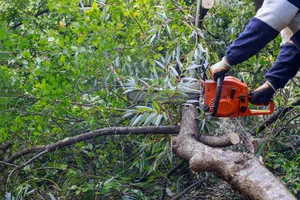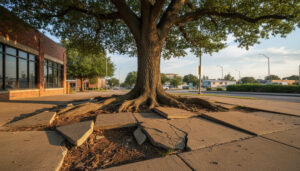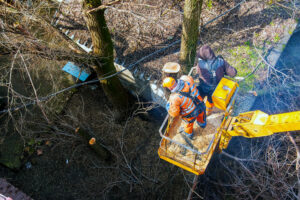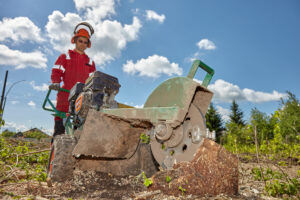
Prepare your yard for tree removal service by first obtaining a tree removal permit from the NJ authority, then assessing the tree’s condition and inspecting the surrounding areas’ risk factors. Homeowners hire experts who assess tree-removal risks and provide clear financial estimates. It is highly recommended that you notify your neighbors and clear the drop zone to ensure unobstructed access for heavy machinery. Below is a clear tree removal checklist that makes property prep for a tree-cutting service effortless.
Why Is It Important to Prepare Your Yard for Tree Removal Service?
It is important to prepare your yard for tree removal services because this prep ensures the safety of pets and children at home, prevents unnecessary turf damage, and protects your neighbors and belongings. You can save time and money by taking proactive steps such as covering the lawn, parking the vehicle away, and informing neighbors.
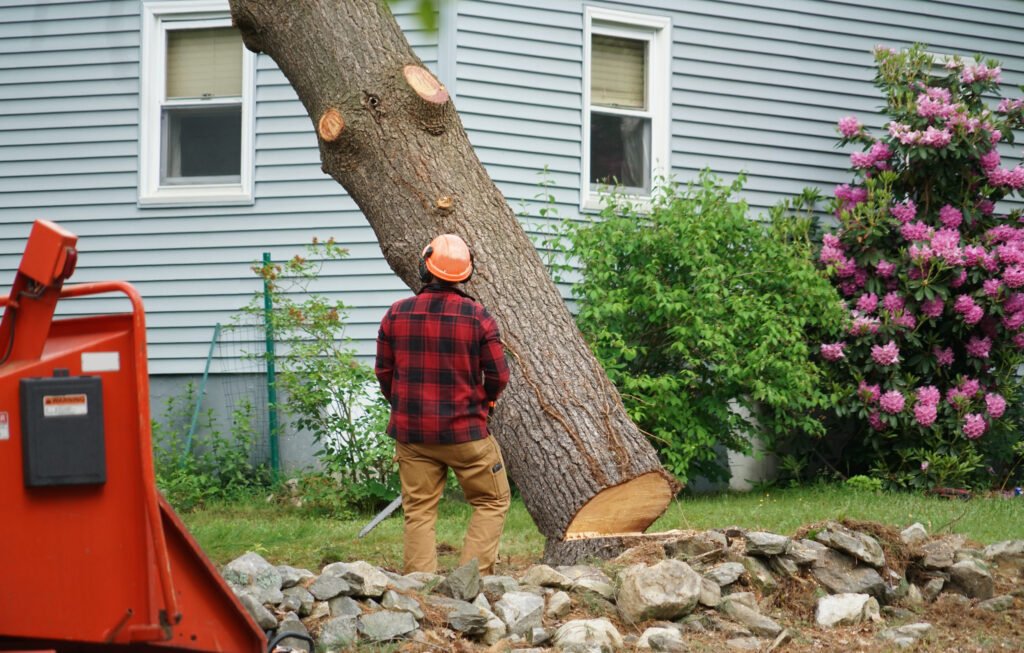
Tree Removal In New Jersey
How To Prepare Your Yard For Tree Removal Service
Listed below are 7 steps to prepare your yard for a tree removal service in NJ.
1. Navigate the Tree Removal Permit NJ
Navigate the NJ tree removal permit process before preparing your space, as the permit can take a few days to weeks for final approval.
According to the State of New Jersey Regulation, you must submit a tree removal application online to the Zoning Department for review. Approval is required before starting any tree removal activity. You are required to replace the existing trees with new ones after the NJ authority completes the review.
- You will provide a copy of the existing property survey showing the location of the tree (in sketch format). The application form includes the location of the tree, the condition of the tree, information on the surrounding area, and other related details. You can provide color photographs of trees and surrounding areas with the application.
- Shade-free tree replacement is required for every tree except a property of 10000 square feet or less in size with existing residential use. Any tree-cutting service in this area still requires a tree removal application and verification of environmentally sensitive areas. Replacement is still required for Street Tree(s).
- Tree removal is prohibited in environmentally sensitive areas such as beaches, dunes, wetlands, conservation easements and buffer areas.
- Exemption from the tree replacement requirement is granted for hazard trees or street trees under 2.5 inches in diameter, shade trees under 24 inches in diameter, and evergreen trees under 10 inches in diameter.
You should hire a well-established NJ tree removal company that helps you navigate the tree removal permit process. You will face financial penalties, legal disputes, and work delays if you do not get the tree removal permit in New Jersey.
2. Assess Tree Condition
Assess the tree’s condition with the help of an expert tree removal service provider in NJ. Get a free consultation on your ‘stree’s condition to determine whether total extraction is the best solution. Sometimes you can avoid complete tree removal through strategic pruning or disease management.
A thorough evaluation of the tree helps you make the final decision. A professional will assess the tree’s condition and recommend removal when severe decay is present and the tree poses a hazard to the environment and structural stability.
3. Evaluate Tree Removal Risk
Evaluate tree removal risk after assessing tree condition. Experts will check the proximity of the trunk and canopy to roofs, neighboring properties and utility lines. An expert conducts a detailed inspection of the tree and its surrounding structures and properties, identifying all the challenges you may face during tree removal.
4. Clear the Drop Zone and Workspace.
Clear the drop zone and workspace so the tree is removed safely while protecting the crew and surrounding area. You should relocate movable items such as birdbaths, children’s toys, firepits, grills, potted plants, outdoor furniture, and canopies away from the drop zone. A dependable tree removal service provider places plywood over the fragile lawn to prevent tire ruts. They also cover delicate flowers and garden beds to protect vulnerable plants.
5. Maintain Unobstructed Access for Heavy Equipment.
Maintain unobstructed access for heavy equipment (wood chippers, trucks) by parking vehicles and bikes away from the street and driveway. Mark delicate garden beds and underground utilities so a professional crew can steer clear of the area and avoid accidental turf damage.
Clearing the drop zone and maintaining easy access expedites the actual labor and ensures peace of mind that your belongings are protected from heavy foot traffic and falling branches. Check complete tree removal safety steps.
6. Notify Neighbors and Secure Pets
Notify neighbors when the workspace spans over shared property, as it is an ethical practice. This notification helps your neighbor clear the area around the workspace and secure their children and pets. Many NJ communities have strict requirements about maintaining neighbor aesthetics. You must keep your neighbors in the loop to prevent unnecessary legal action or disruption. Warn neighbors about upcoming noise and temporary traffic disruptions caused by heavy trucks. Keep your children and pets indoors and away from falling limbs and heavy machinery.
7. Get a Quote for Tree Cutting Service NJ
Understand the financial requirements you need to meet for a complete tree removal service on your property. Three factors, such as the location, extraction complexity, and condition of the wood, influence the overall cost of a tree-cutting service. If a tree is located tightly between structures, then the lack of accessibility will increase the overall cost of the tree removal service. The size of the tree matters as well because trees over 30 feet tall require specialized equipment and pose serious safety risks.
The condition of the wood matters because a professional crew needs to be slow and extra careful when dismantling completely dead and brittle wood that poses serious safety risks. You can expect a transparent and honest quote from a reliable tree removal company in NJ. Make sure the quote includes the cost of every single step, from felling to hauling, plus any add-ons like cleaning and stump grinding.
Conclusion
You have got a complete 7-step tree removal checklist. Make sure you obtain a tree removal permit one week before commencing the actual tree removal to prevent legal disputes and labor stoppages. You do not need to pay any fee for getting a permit if you plan to cut hazardous tree(s) on your property. A hazardous tree is also exempted from tree replacement requirements in NJ. You can always consult a certified Arborist in your area if you are unsure whether a tree is in an environmentally sensitive area.
You can remove a tree yourself, but the process is time-consuming, dangerous, and complicated. Get hassle-free tree removal by hiring an expert, dependable professional tree-cutting and care crew in NJ. Call us now and get a free survey.
FAQs
What should I do with my pets during tree removal?
You should keep your pets indoors or relocate them away from the property while getting tree removal service. Heavy machinery and falling trees pose serious safety risks to your pets, who feel anxious due to the loud noise of chainsaws. Keep your pets and kids away from the area to keep them safe.
Should I mark hidden hazards in my yard?
Yes, you should mark hidden hazards in your yard to inform the crew about underground sprinkler systems, flower beds, utility lines, and septic lids. Marking areas with flags helps professional NJ tree removal service providers to navigate heavy equipment safely.
Do I need to get permits before removing a tree?
Yes, you need to obtain permits before removing a tree in New Jersey. Check city codes and local ordinances, or contact a certified Arborist for guidance on the complete permit process for tree removal in NJ.
Will tree removal ruin my lawn?
No, a tree removal service will not ruin your lawn if you hire professional tree removal and care service providers. Heavy equipment (cranes, trucks) leaves an impression on your lawn, but a professional crew lays down plywood to distribute the weight and minimize damage.
What is the average price to have a tree taken down?
The average cost to have a tree taken down depends on the tree’s size, condition, and accessibility. Contact us for an exact price estimate based on your tree’s specific condition and location.