The goal of pruning is to create robust, healthy, and aesthetically pleasing plants. This goal can be accomplished by knowing when, how, and why to prune. You might wonder what the best time is for tree pruning in NJ. In this post, we will discuss the Tree Pruning Schedule for New Jersey individuals and when this seasonal trimming is required.
Why Do You Need Tree Pruning?
Safety, health, and aesthetics are the primary justifications for cutting ornamental and shade trees. Pruning can also be employed to boost fruit yield and raise the wood’s value. Pruning for safety includes cutting off branches that obstruct traffic on roadways or driveways, removing branches that grow into utility lines, and removing branches that might fall and injure people or damage property. By carefully selecting species that will not grow beyond the area available to them and have strength and form features that are appropriate for the site, safety pruning may be largely avoided.
Pruning for Well-being
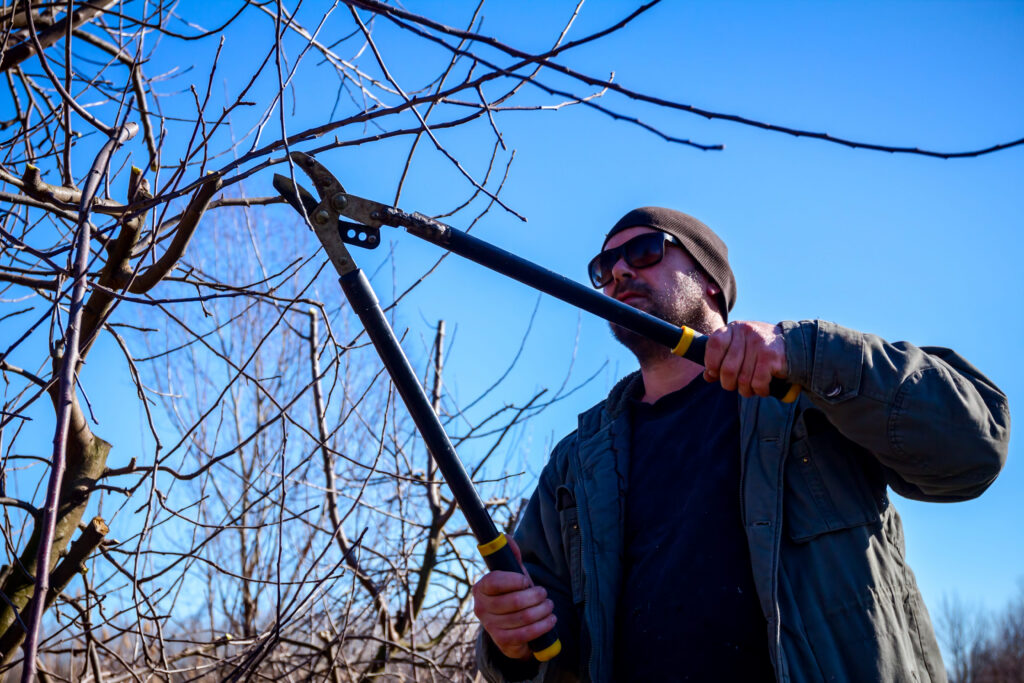
Tree Pruning in The Spring in NJ
Eliminating diseased or insect-infested wood, reducing the crown to improve ventilation and lessen some pest issues, and eliminating two crossing and rubbing branches are all part of pruning for health. The greatest way to help trees build a robust structure and lessen the chance of harm during extreme weather is to prune them. Removing injured or broken limbs promotes wound healing.
Pruning for Aesthetics
Enhancing a tree’s natural shape and personality or encouraging blossom output are two examples of pruning for aesthetics. For open-grown trees that don’t conduct much self-pruning, form-conscious pruning can be crucial.
When Is The Best Time For NJ Trees’ Seasonal Trimming?
Pruning conifers can be done at any time of year, but doing it during the dormant season may reduce the flow of sap and resin from chopped branches.
Hardwood trees and shrubs without conspicuous blooms should be pruned during the dormant season to make the tree’s structure easier to see, to maximize wound closure during the growth season following pruning, to lessen the risk of disease transmission, and to prevent excessive sap flow from wounds.
Insects that propagate tree disease may be drawn to recent wounds and the chemical odors they release. Specifically, exposed wounds on oaks are known to draw beetles that propagate the oak wilt fungus, while damaged elm wood is known to draw bark beetles that carry spores of the Dutch elm disease fungus.
To stop these deadly diseases from spreading, be sure to trim these trees at the right time of year. To find out when to prune certain tree species in your region, get in touch with your local tree disease specialist. Winter and late fall are often the greatest seasons.
NJ Tress Pruning Schedule
For the same reasons mentioned above, flowering trees and shrubs should also be trimmed during the dormant season. However, to protect the current year’s bloom yield, pruning should follow this schedule:
- Redbud, dogwood, and other early spring-flowering trees and shrubs should be trimmed right away because flower buds develop on the new growth the year before they flush.
- Fireblight is a bacterial disease that can spread by pruning and affects many blooming plants. During the dormant season, these trees, which include several types of crabapple, hawthorn, pear, mountain ash, blooming quince, and pyracantha, should be trimmed. For further information, speak with a horticulturist or your county extension office.
- During the dormant season, trees and shrubs that bloom in the summer or fall should always be trimmed (flower buds will sprout on new twigs during the following growth season, and the flowers will flush properly).
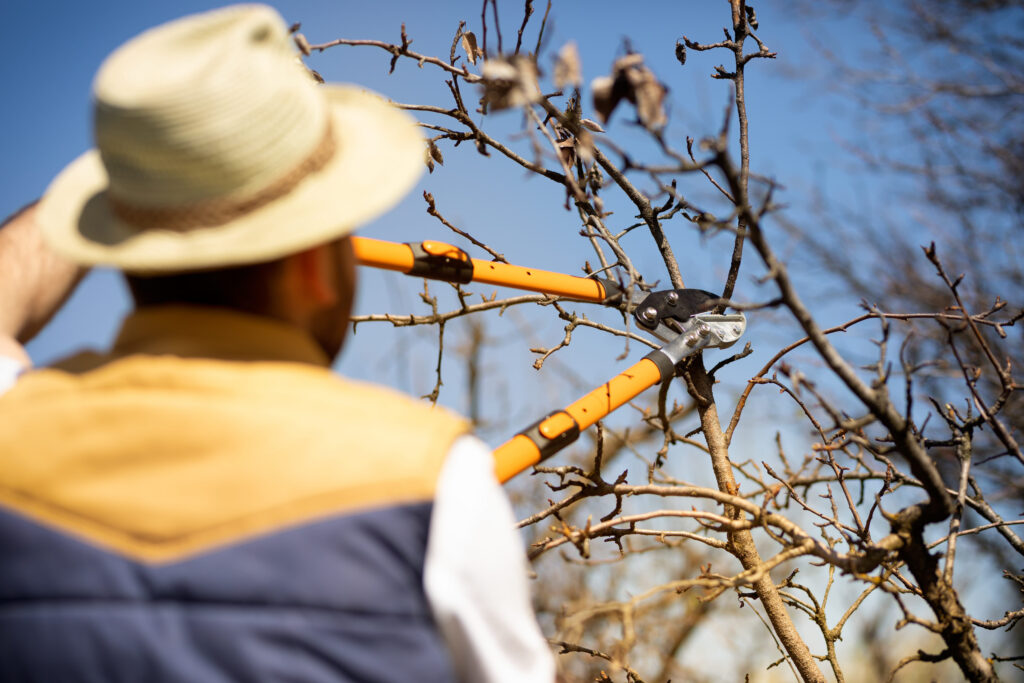
Did You Get Your Trees Pruned Yet?
Treating Wounds
The natural defense mechanisms used by trees against disease invasion include sap, gums, and resins. Sap flow from pruning wounds is normally harmless, despite being ugly; nevertheless, excessive “bleeding” can damage trees. Some sort of wound dressing should be administered to oaks or elms that sustain injuries at a crucial period of the year (often spring for oaks, or during the growing season for elms) due to storms, other unanticipated mechanical wounds, or required branch removals. As soon as the wound is produced, do this.
Wound dressings are not essential and may even be harmful in the majority of other situations. Infections cannot be cured or decay prevented by wound dressings. In fact, they could hinder the protective properties of tree gums and resins and slow the rate at which wound surfaces heal. In certain situations of oak wilt and Dutch elm disease, wound dressings are only beneficial in preventing the entrance of pathogens.
NJ Tress Pruning Guidelines
When pruning, take into account the following recommendations to promote the growth of a robust, healthy tree.
- Pruning should be done for safety, health, and aesthetics in that order.
- Trees that contact or are close to utility wires should never be pruned; instead, speak with your local utility provider.
- Steer clear of trimming trees when doing so might make them more vulnerable to significant pests (for example, in regions where oak wilt is prevalent, avoid pruning oaks in the spring and early summer; prune fireblight-prone trees only during the dormant season).
Crown Thinning
- Evaluate a tree’s pruning strategy from the top down.
- Give preference to branches with robust, U-shaped attachment angles.
- Eliminate branches that have weak, V-shaped attachment angles and/or bark.
- Young trees should ideally have uniformly spaced lateral branches on their primary stem.
- Any branches that cross or brush against another branch should be removed.
- To prevent the growth of co-dominant stems, make sure that lateral branches are no more than half to three-quarters of the stem’s diameter.
Crown Raising
- At least two-thirds of a tree’s height should always have healthy branches.
- The growth of a robust stem will be hampered if too many lower branches are removed.
- Eliminate robust epicormic sprouts and basal sprouts.
Crown Reduction
- Crown reduction pruning should only be used when absolutely required.
- Make the pruning cut at a lateral branch that is at least one-third the diameter of the stem that has to be taken off.
- Remove the entire branch if more than half of its foliage has to be removed.
FAQs
What is the significance of seasonal tree pruning?
Seasonal trimming lowers the chance of falling branches, maintains trees’ health, and stops illness.
When is the ideal time to trim the majority of trees in New Jersey?
The best time to shape trees safely is in late winter or early spring when they are dormant.
Is it possible to prune trees during the summer?
It is possible to remove dangerous or broken branches and do modest pruning in the summer.
In the winter, which trees need to be pruned?
Winter pruning is beneficial for most deciduous trees because it makes their structure more visible without leaves.
Should trees be trimmed in the fall?
Since it may promote new growth before winter, heavy trimming is often avoided in the autumn.
How frequently should trees be trimmed?
Younger trees may require trimming more regularly, but most older trees only require treatment every three to five years.