Yard cleanup is extremely important for spring preparation, but there are a few things you must take care of when you are about to do it. You must understand when it is the right time to clean up your yard in the spring, and do it in the best way possible.
In this blog, we will talk about yard cleanup and some useful tips that can help you get this job done in the most appropriate way.
What Should You Consider for Yard Cleanup and Spring Preparation in NJ?
Environmental Cues
Temperature is a highly useful signal of spring emergence for most forecasting purposes, but it is not the only factor that determines when insects enter or exit diapause.
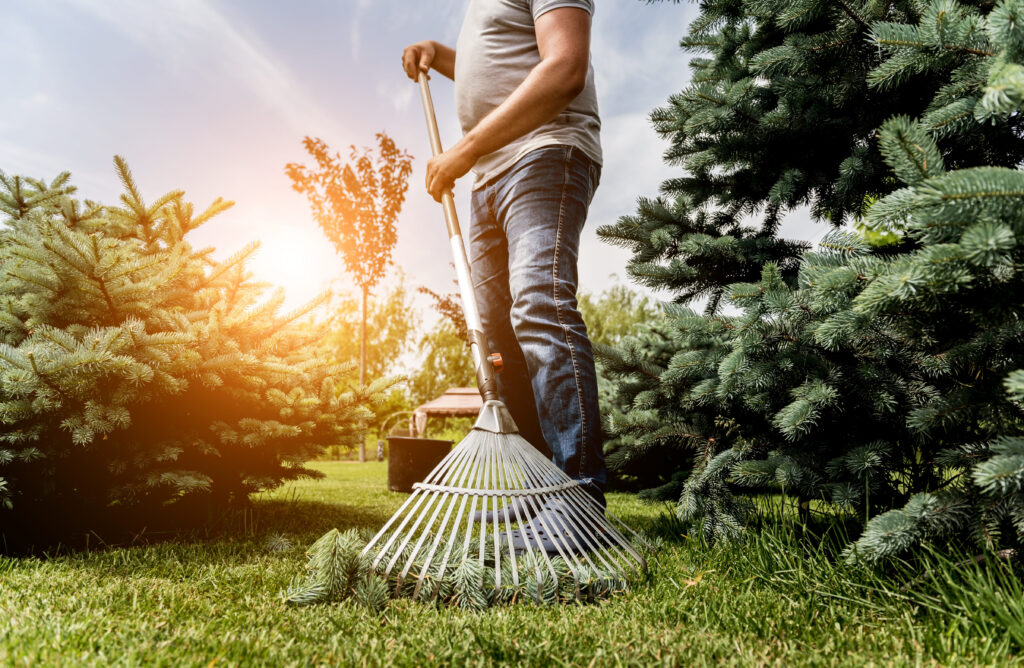
Spring Yard Cleanup in NJ
Insects can synchronize their emergence with food or mates by using environmental signals, such as the duration of the day or the amount of sunlight.
Temperature can accelerate or decelerate emergence, but a species’ life cycle is mostly set, so strong temperature fluctuations over short springtime periods won’t cause them to emerge at a significantly different time. So this is a good time for your spring yard cleanup.
Egg
Insect eggs can be seen stuck to a range of surfaces throughout the winter. An ootheca, like the one made by mantises (order Mantodea), might occasionally provide them with protection. Insect eggs can overwinter as a mass of eggs stuck to durable plant components, including woody stems, or as individual eggs.
Some species deposit their eggs deep in the soil or close to the earth’s surface at the base of feeding plants. So whenever you see such a condition, you must start spring preparation and work on yard cleanup.
Immature Nymph/Larva
Certain insects spend the winter as nymphs or larvae, which are juvenile stages. Until spring, when environmental circumstances prompt them to resume their journey towards adulthood, these immature life phases stop developing. Immature stages lack the capacity to reproduce and are unable to fly.
When temperatures rise in the spring, overwintering immatures may occasionally transition into a roaming phase. They leave their overwintering refuge during the roaming phase in search of food and/or a different covered area so they can undergo metamorphosis and mature into adults. During this time, you must start working on yard cleanup and landscaping.
Insect Overwintering Locations
Insects that withstand Michigan winters need to locate a winter refuge as the growth season draws to a close. Many exhibit overwintering activities that assist them in locating a place that satisfies their needs and are prompted by environmental signals. They may take refuge in crevices beneath the bark on tree trunks, behind house siding, or, regrettably, even inside the walls of human habitation. If that is not removed in time, that could be a problem, so plan for yard cleanup during this time of the year.
Soil
Because of the insulating properties of surrounding soil, plants, and leaf litter, the earth warms more slowly than areas above ground. When exposed to sunshine, darker, finer-textured soils will warm more quickly than coarser, sandier soils. The life phases of belowground pollinators can be seriously disrupted by soil work, particularly with extensive tillage. When you witness such a condition, it is time for yard cleanup and landscaping.
Spring Garden Cleanup Tips
We know how excited you are to get outside! However, before you get your hands filthy, read our advice and suggestions on why it’s better to postpone spring garden cleanup a bit longer than you would expect.
Wait until the weather is consistently warm.
Warm weather is not here to stay, despite these first pleasant days of the year. To avoid the inevitable late-season final frost and cold temperatures, pollinators will prefer to hide out among the leaves and dead plant detritus of the previous year. It happens until we have consistently mild weather, including nighttime temperatures. So doing it before this time is not a good option for you, as you might have to do everything again.
Examine your garden information sheet
Check your garden information sheet to see which plants require springtime care. Generally speaking, it’s a good idea to let your plants stand through the winter before trimming back to their new growth in the spring. Spring is also a perfect time to divide your plants for propagation or to prevent spreading.
It’s also crucial to remember that, depending on the plants, you might not notice much new growth on your perennials when it comes time to remove old foliage from the previous year. Therefore, if you’re wondering why your landscape isn’t very green, don’t worry! Perennials may take some time to awaken in the early spring, much like many of us.
Scrape the beds thoroughly around perennials
To get rid of damp leaves and other thick items that might suffocate plants, gently rake the beds surrounding perennials.
Water Your Plants in High Temperatures
When the outside temperature rises over forty degrees, water your plants. There isn’t any snow on your beds, and we’ve had a few dry days in a row. So it’s better to water your plants on time.
Conclusion
Yard cleanup and landscaping are important, especially if you live in NJ. It is a must-do for spring preparation, and we have tried to make this process easy for you. Always remember these conditions when you must start preparing for yard cleanup and landscaping, and start working on it in a timely manner.