The big oak out front looks fine. Totally fine. Right until July, when a storm muscles through and a limb the size of your leg punches a hole in the roof. Suddenly, the trim you put off twice is a five-figure repair. Trees don’t beg for much. A little attention, though, they do ask for.
That’s the whole case for tree trimming. When done on a schedule, it keeps your trees strong, safe, and, frankly, gorgeous for decades. For a Monmouth County homeowner, it’s about the smartest small investment you can make.
Why Trimming Actually Matters
People think pretty. Pros think healthy. The two overlap, but only one of them keeps a branch off your car. That gap is the whole reason tree trimming exists.
It’s Health, Not Just Looks
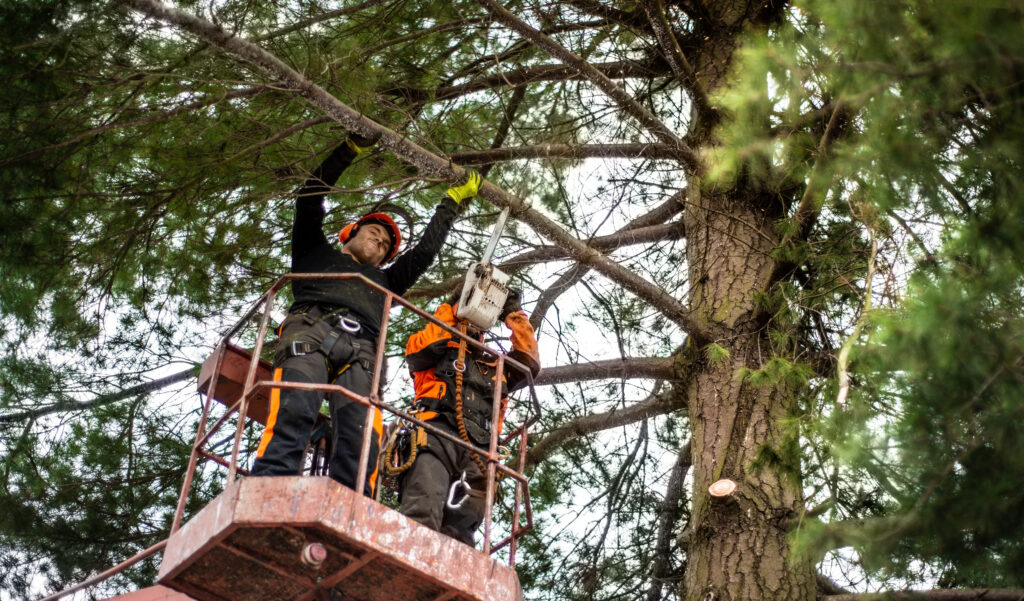
Tree Trimming In Monmouth County, NJ
A tidy canopy is nice, sure. The real work happens out of sight. Good tree trimming cuts away dead and diseased wood before the rot spreads, strips out weak limbs before a storm yanks them down, and cracks open the crown so light and air reach the whole tree. Stronger tree, safer yard. Trimming protects your house and your trees in the very same motion.
Knowing When Your Trees Are Asking
Nobody studies their trees. Not until something looks off. But the trees do drop hints, and they’re easy to read once you know the tells.
The Obvious Red Flags
These shout:
- Dead or dangling limbs, ready to drop with zero warning.
- Branches scraping the house, the roof, or worse, the power lines.
The Quiet Ones
These whispers, and folks miss them every time:
- A dense, tangled canopy choking out light and airflow.
- Crossing branches rubbing each other raw.
- A lopsided lean that’s quietly throwing the whole tree off balance.
Catch two of any of those, and your trees are basically waving for help. Acting early always beats cleaning up a failure later. Way cheaper, too.
The Right Cuts, The Right Hands
Here’s the thing nobody says out loud. There’s real craft in tree trimming. One bad cut invites disease or weakens a tree for years. One good cut, and the thing thrives.
Done right, it comes down to a handful of moves—deadwood removal to halt decay and drop the falling-limb risk. Crown thinning to push light and air through the canopy. Structural pruning to build a balanced frame. And timing, since most trees take a cut best while dormant in winter. Pruning for health overlooks is exactly what separates a pro from a guy with a chainsaw and a free Saturday. The Arbor Day Foundation stands firmly behind that approach. And good tree trimming dovetails neatly with broader tree care and management.
Why Local Pros Beat the Weekend DIY
Ladder, running saw, gravity. That’s how a weekend project becomes an ambulance ride. Tree work is dangerous, plain and simple, and a big limb weighs a whole lot more than it looks like from down below.
A trained local crew shows up with the gear, the technique, and the insurance to cover it. It’s the work our tree services crew does every single day. They also know this place, how Monmouth County storms hit, and how the local species behave. For Howell homeowners, that means it gets done safely, and the tree ends up better for it. A free estimate costs nothing. A botched cut can cost you the whole tree. Ready to give your trees the care they’ve earned? Call Fly With Freedom Tree Service for a free estimate.
Frequently Asked Questions
How often do trees need trimming?
Depends on the tree. Most mature ones are perfectly happy with a trim every three to five years, give or take. Fast growers and young trees? More often than that. Species, age, spot in the yard, overall health, all these factors in. A quick look on-site tells you what you actually need, instead of guessing or waiting for a limb to give out. Regular check-ins catch the small stuff long before it balloons into the expensive stuff, and that saves you real money over time.
When’s the best time of year to trim?
Late winter, mostly. With the tree dormant, cuts heal quickly, pests are asleep, the structure is easy to see, and there’s barely any stress on the thing. But dead or hazardous limbs? Those come off whenever. A storm-cracked branch can’t wait around for the calendar to flip. A pro pinpoints the right window for your specific trees, since it shifts slightly by species, with flowering ones especially fussy about timing.
Can I trim them myself?
Low, easy branches you can reach standing flat on the ground? Sure, maybe. Anything with a ladder, a big limb, a chainsaw, or a power line anywhere nearby? Genuinely dangerous, and squarely a job for insured pros. The odds of hurting yourself, wrecking property, or harming the tree just aren’t worth it. The right gear and training matter, and a good crew leaves clean cuts so the tree heals right instead of rotting at the wound.
What does tree trimming cost?
Hinges on the size and number of trees, their shape, and the amount of work involved. Every yard’s a little different, so the only honest answer comes from an on-site look. We do free estimates, so Contact Us, and we’ll size up your trees at no cost, walk you through what they need, and leave the decision entirely to you, no obligation to book a thing.